Can You Dispute a Low Appraisal — and How?
If your appraisal came in below expectations, you may have options. Here's how reconsideration of value works, when it succeeds, and what actually holds up against a lender or in court.
Read More →Market analysis and local expertise from Madison & Park Appraisal - serving Westchester County, Manhattan, and Greenwich CT.
If your appraisal came in below expectations, you may have options. Here's how reconsideration of value works, when it succeeds, and what actually holds up against a lender or in court.
Read More →
Federal estate tax requires a qualified appraisal from a qualified appraiser — with specific standards for who can sign it and what it must contain. Here's what executors and estate attorneys need to know.
Read More →
Metro-North proximity can add or subtract tens of thousands from a home's value — depending on which side of the tracks you're on. How appraisers measure express vs. local access, the noise penalty, and why the transit adjustment matters in estate and divorce appraisals.
Read More →
Westchester has some of the highest property taxes in the country — and the gap between municipalities is significant. How appraisers handle tax differences between comparable sales, the distinction between assessed and market value, and the role of a certified appraisal in a tax grievance.
Read More →
How Metro-North station proximity affects home prices — the access premium, the noise penalty zone, express vs. local stops, and how appraisers measure the transit adjustment in estate and divorce work.
Read More →
Westchester has some of the highest property taxes in the country — and they vary sharply by municipality. How appraisers handle tax differences between comps, what assessed value actually means, and how a certified appraisal supports a tax grievance.
Read More →
Water views, park views, city skylines — how do appraisers actually put a number on them? A deep dive into paired sales analysis, view premiums, and why some views become the dominant value driver of a property.
Read More →
A $100K kitchen doesn't automatically add $100K to your appraisal. Learn how appraisers measure contributory value, what superadequacy means, and which renovations actually pay off.
Read More →
Functional obsolescence — value loss from deficiencies or superadequacies in the property itself — is one of the most commonly misunderstood concepts in residential appraisal. Here's how appraisers identify and measure it.
Read More →
Finished basements, converted attics, garage conversions — unpermitted work is common in Westchester County and older suburban markets. Here's exactly how appraisers handle it, and what homeowners should know.
Read More →
A home appraisal and a home inspection are two completely different things — and confusing them can cost you. Here's exactly what each one does, who orders it, and why both matter.
Read More →
A low appraisal doesn't have to kill your deal — but it changes the negotiation entirely. Here's exactly what happens, and what your options are as a buyer or seller.
Read More →
Your Zillow Zestimate and your certified appraisal often disagree — sometimes by tens of thousands of dollars. Here's exactly why, and which number actually matters.
Read More →
Wondering what a home appraiser checks during an inspection? Here's exactly what appraisers look for — inside, outside, and in the data — and how it affects your home's value.
Read More →
From Billionaires' Row to TriBeCa to the West Village, a deep look at where Manhattan's highest prices are found, what specific streets and buildings command them, and the economic forces behind it all.
Read More →
Every property is part land, part improvements—and each characteristic of the home represents a share of that improvement value. Learn how this framework is used to test whether appraisal adjustments, including GLA, are credible.
Read More →
Understand the critical difference between a retrospective Date of Death appraisal and a current market value appraisal—and why it matters for estate settlement, probate, and tax planning.
Read More →
What is a retrospective real estate appraisal? Learn how appraisers value property as of a past date for estate settlements, divorce proceedings, tax disputes, and litigation.
Read More →
From Tudor Revivals in Bronxville to Manhattan brownstones and Greenwich estates - how architectural style shapes value across our service area.
Read More →Egress, ceiling height, minimum size, privacy - the physical criteria that determine whether a room counts as a bedroom in a residential appraisal.
Read More →
Learn what ANSI measurement standards mean for your home appraisal, the rules for calculating square footage, and differences between single-family homes and condos.
Read More →Eastchester's real estate market features diverse property types and distinct areas like Lake Isle. Learn what appraisers look for in this Westchester County market.
Read More →
An objective market analysis of the Upper West Side, including Lincoln Square, Manhattan Valley, supply/demand dynamics, and valuation trends.
Read More →
An in-depth look at Yonkers micro-neighborhoods, analyzing how zoning, topography, and architectural styles impact real estate appraisal values.
Read More →
Appraising real estate in Yonkers requires an understanding of its varied housing stock, waterfront developments, and complex zoning. We explore the specific valuation challenges in this diverse market.
Read More →
Learn what a Date of Death appraisal is, how it affects the step-up in cost basis, and why attorneys and accountants rely on our retrospective appraisal expertise.
Read More →
Learn the steps to grieve your property taxes in Westchester County, the odds of a reduction, and why a certified residential appraisal is critical to your success.
Read More →
Valuing high-value residential real estate in Greenwich, CT, requires precision for estate planning, probate, and marital dissolution. We break down the appraisal methodology for complex property assets.
Read More →
Co-ops and condos are legally and financially distinct - and they're valued differently. A certified appraiser breaks down what separates them and why it matters for estate, divorce, and financing appraisals.
Read More →
Mount Vernon holds a unique position in Westchester County's real estate landscape. Its historic significance and architectural diversity mean that properties here often require a nuanced approach.
Read More →
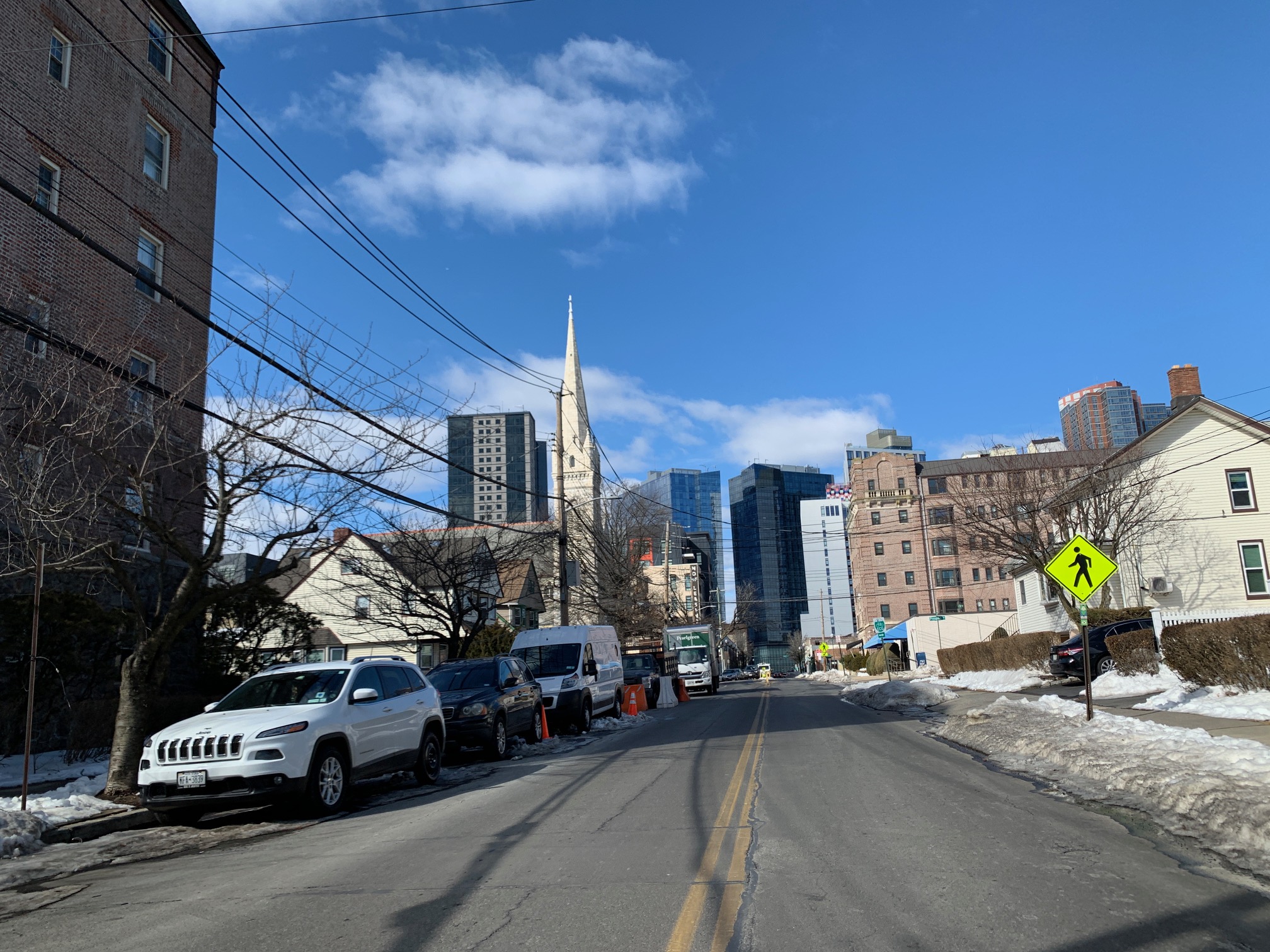
New Rochelle is one of the more complex appraisal assignments in Westchester County right now. A $4 billion downtown revitalization has reshaped how buyers think about the area - and created real challenges for accurate valuation.
Read More →